

A Different Way Of Understanding Persistent Pain
If you’re feeling uncertain, sceptical, or worn down by trying to fix yourself, you’re welcome here.
You don’t need to believe anything yet, and there’s no rush to change or decide.
This is simply a space to pause, read, and explore a different perspective — at your own pace.
Prefer to explore this together?
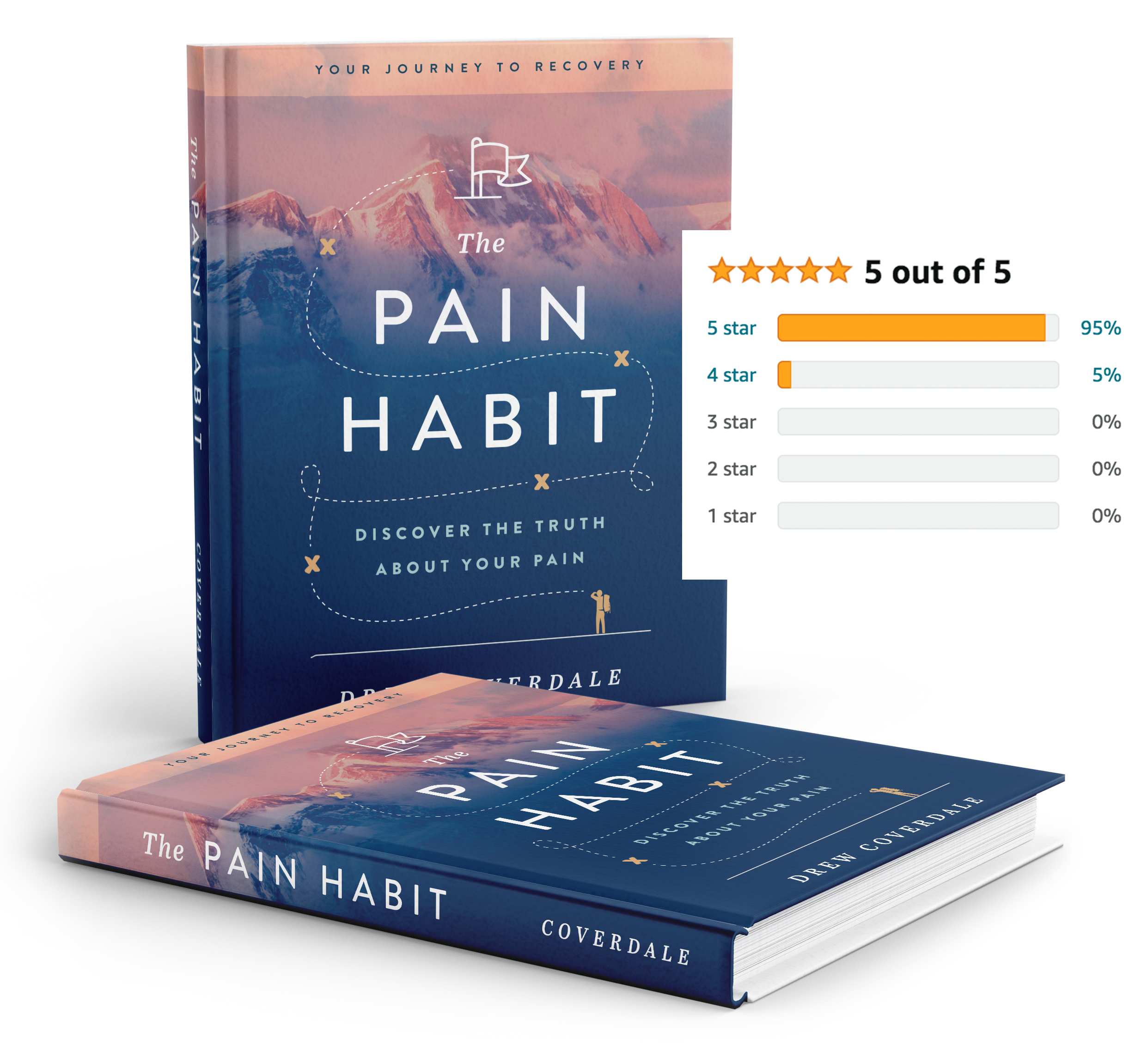
I’m Drew Coverdale, a Chartered Physiotherapist, former professional footballer and author of The Pain Habit. I’ve completed Pain Reprocessing Therapy training and am a recognised SIRPA Practitioner.
I offer individual support for persistent pain, online and at Norton Physiotherapy Centre. We take time to understand your experience and work towards less pain and greater freedom in everyday life.
Initial consultation: 75 minutes — £150


Many people arrive here after a long period of trying to cope, push through, understand, or fix what they’re experiencing.
If that’s you, nothing has gone wrong.
Persistent pain doesn’t mean you’ve failed, missed something, or done anything wrong.
And you don’t need to arrive here with an explanation for why you hurt.
There’s no need to justify your pain, explain your story, or prove that this has been difficult enough.
Perhaps we can begin with what you’re experiencing now—and stay curious about what, if anything, you notice.
This is simply a place to let go of the idea that you should be somewhere different by now.

You’re not alone
You’re not alone
Many people live with ongoing pain — often quietly, often while continuing with work, family, and everyday life.
Estimates vary, but a significant proportion of people experience persistent pain at some point in their lives. If you’re here, you’re not unusual, and you’re not alone.
For many, this kind of pain develops gradually and persists despite effort, treatment, or trying to push through. It can be confusing and discouraging — especially when nothing seems to fully explain it.
Perhaps we don’t always need to rush towards another explanation. Sometimes there may be value in simply becoming curious about what we actually experience.
If you’d like to explore that perspective a little further, the short article below offers another way of thinking about persistent pain — without asking you to accept a particular explanation or reach a particular conclusion.
There can be more than one way to explore persistent pain.
Rather than starting with a particular explanation, we can sometimes simply become curious about different parts of our experience—what we think, how we breathe, how we move, and what we feel.
There’s no right place to begin, and nothing here needs to be mastered or changed.
Some people explore these ideas independently. Others choose support — one-to-one or in a group — and some do both.
These aren’t four steps or an explanation for why you hurt. They’re simply four places we might become curious.
Think
What do I notice about my thoughts, expectations and attention?
Breathe
What do I notice about my breathing — particularly at different moments?
Move
What do I notice about the way I move, hesitate, adapt or respond?
Feel
What do I notice about sensations, feelings and emotions?